From February 18 to 23, 2026, Isabel Blanco Penedo undertook a Short-Term Scientific Mission (STSM) at the Department of Veterinary Medicine, University of Teramo. This mission was designed as a strategic catalyst for Working Group 2 (WG2.9), specifically focusing on the application of the STRANGE framework to animal welfare research. The primary objective was to transition from conceptual discussions to the finalization of a co-authored methodological manuscript aimed at enhancing the robustness and transparency of welfare evidence.
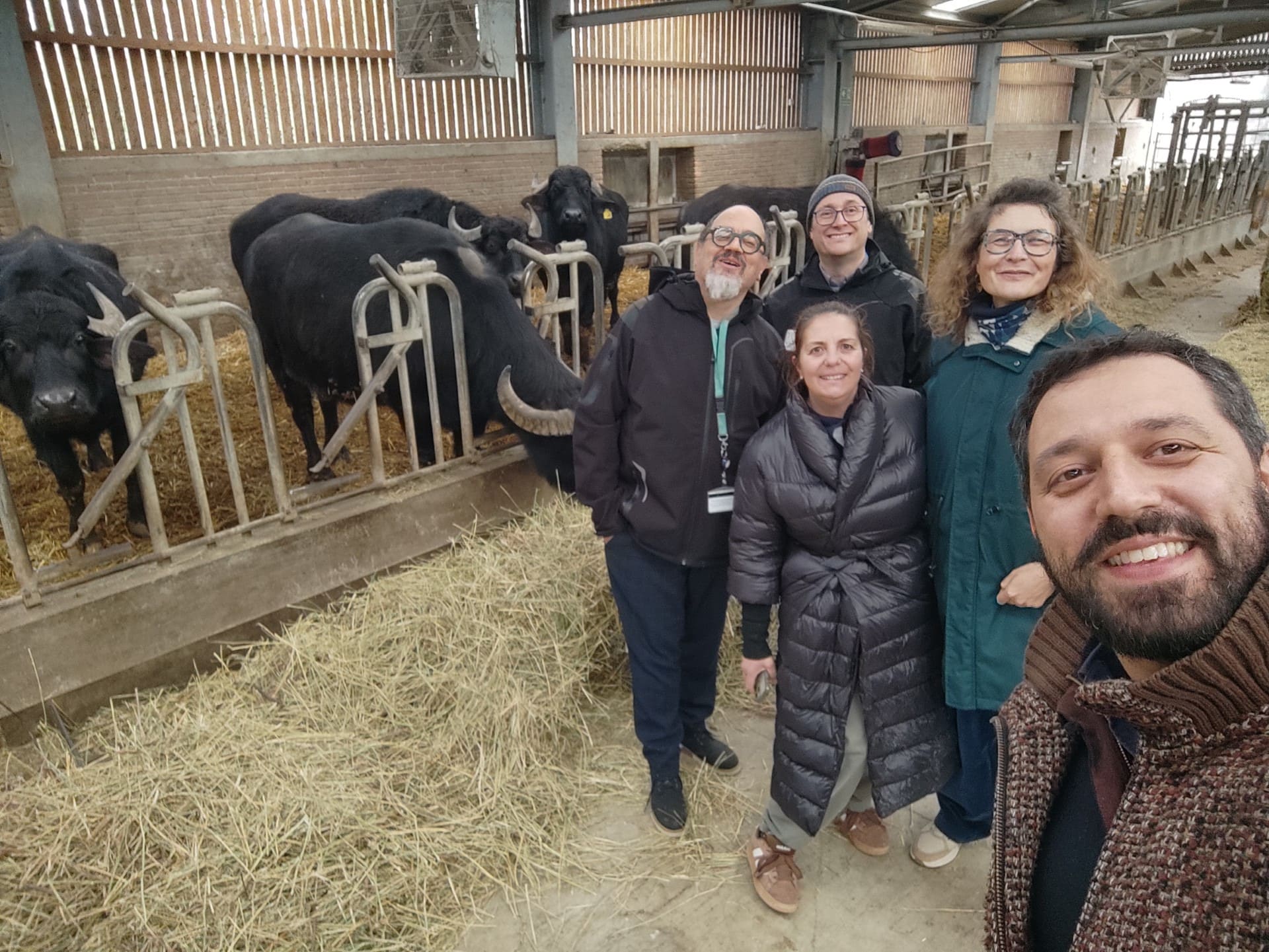
While the mission was based within the academic offices of the Department, the collaboration was enriched by visits to the local veterinary hospital and institute. These visits provided a practical backdrop to our theoretical work, highlighting the necessity of high-quality data in diverse clinical and farm environments.
Our research focused on a critical question: How can we refine study designs to ensure that animal welfare evidence is truly representative and reproducible? By applying the STRANGE framework, which accounts for factors like social background, rearing history, and genetic makeup, we worked to address pervasive sampling and reporting biases. This approach is essential for shifting the scientific narrative toward positive animal welfare, ensuring that the “freedom to thrive” is supported by rigorous, unbiased data.
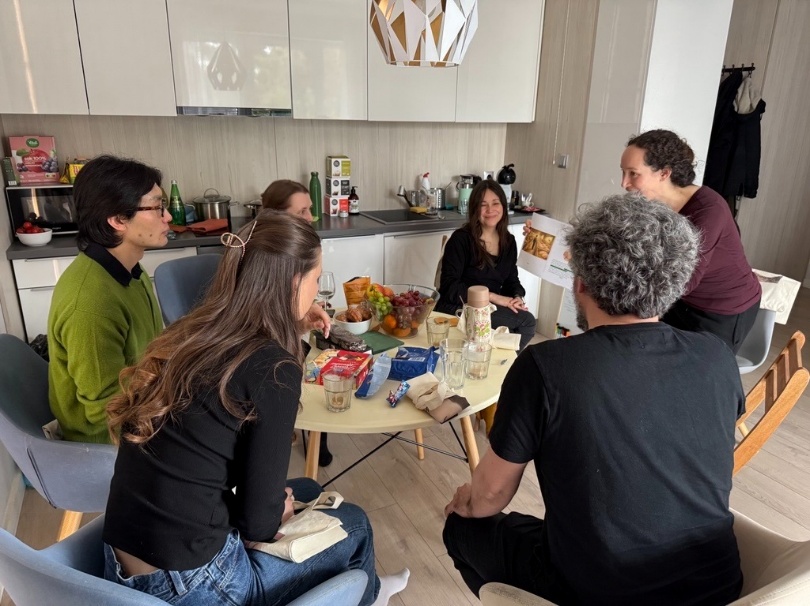
The most significant outcome of this STSM was the substantial progress made on the perspective paper. In an era of digital communication, the value of intensive, in-person collaboration cannot be overstated. Being able to align perspectives and clarify complex methodological concepts in real-time allowed rapid decisions that would have taken months to resolve remotely.
This mission has reinforced a sustainable professional partnership between the University of Lleida, SLU, and the University of Teramo. By deepening their mutual understanding of each other’s expertise and resources, we have positioned ourselves to contribute more effectively to international welfare standards and scientific outputs.
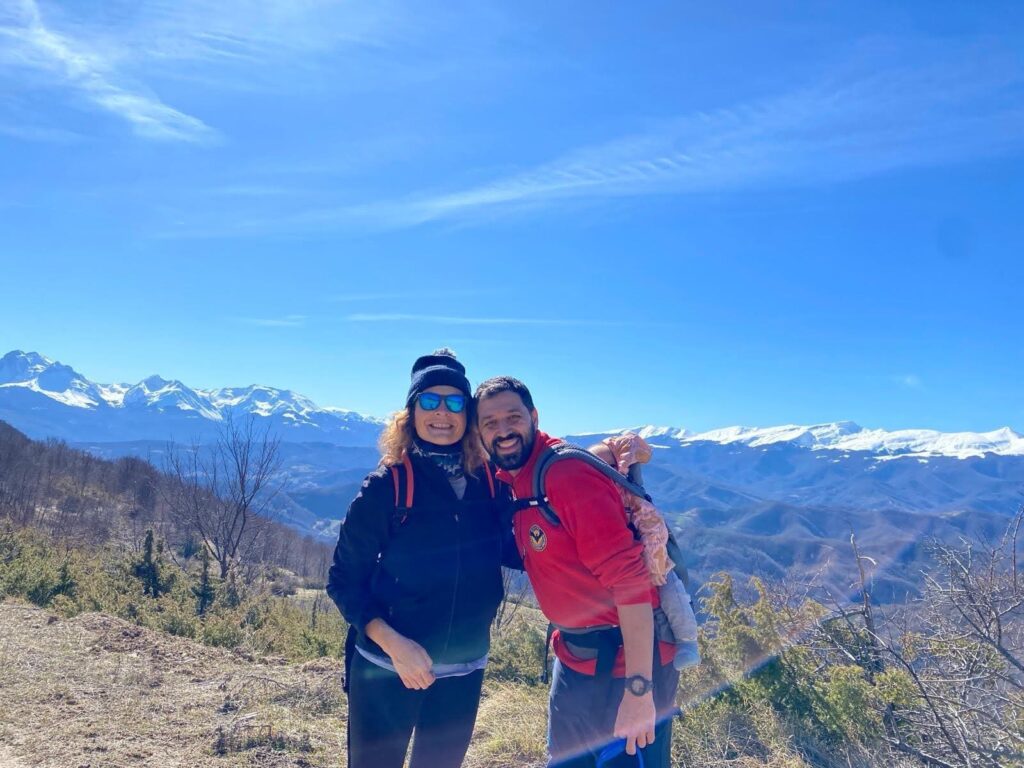
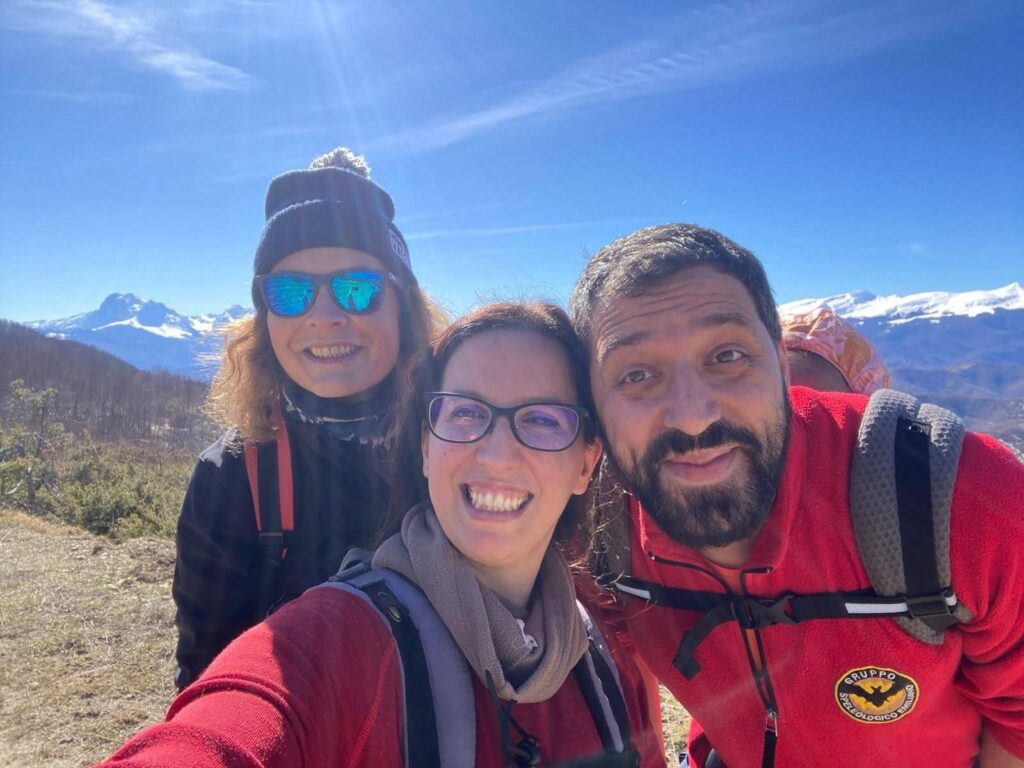
Isabel would like to extend her sincere gratitude to Matteo Chincarini for his exceptional hospitality and for facilitating productive introductions within his department. Beyond the academic achievements, the time spent with his family, sharing music, meals, and a memorable walk in the Gran Sasso, added a profound personal dimension to this scientific mission. This blend of professional rigor and personal connection is precisely what drives meaningful scientific progress.