When people think of Poland, they may picture Copernicus, European bison, or the red and white of the Polish flag. But what about COST Action LIFT? What image comes to mind then? For Heng-Lun Ko, one of the first keywords is science dissemination.
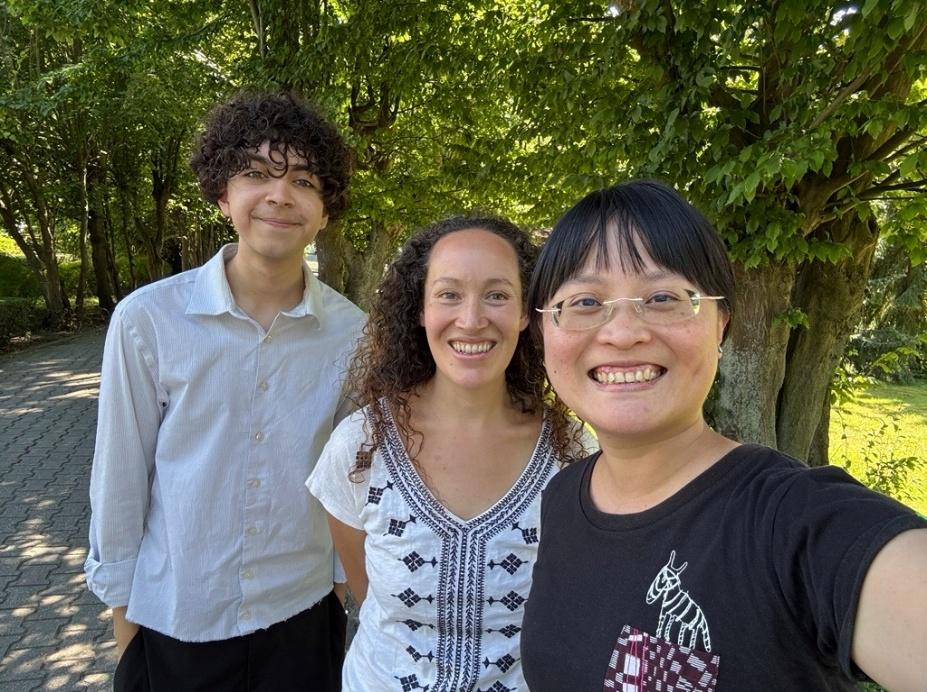
Over the past four years, LIFT has given Heng-Lun many opportunities to develop and sharpen her science communication skills. This summer, she traded the scorching heat of Barcelona for the much more pleasant weather of Warsaw, where she spent a week with Irene Camerlink at the Institute of Genetics and Biotechnology of the Polish Academy of Sciences for an STSM. This STSM was to move forward several dissemination activities within WG4, while also creating space for new ideas and future collaborations.
A website that tells the LIFT story
One of the main tasks was updating the LIFT website. As co-leader of subWG4.2, which works on website development, Heng-Lun needs to keep track of news, publications, and activities across the LIFT network. The challenge is not simply to keep the information current, but to make it useful and inviting for both LIFT members and visitors discovering the project for the first time. That often means chasing down the right people for photographs, videos, and other visual materials, and then finding the best way to bring all these pieces together. A good website should do more than store information: it should tell a story.
Bringing the children’s book online
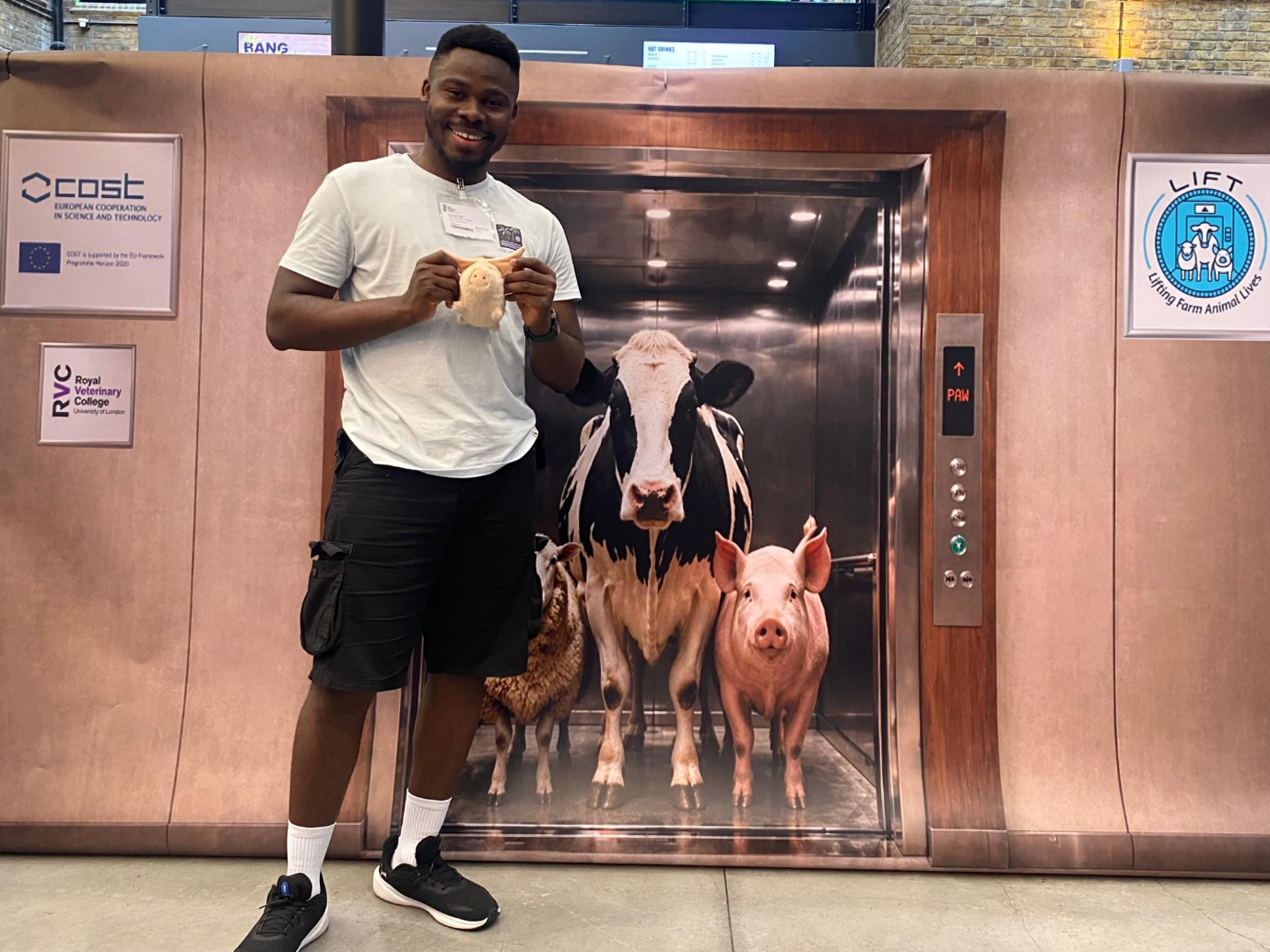
The LIFT children’s book made its first appearance in London during the final workshop in early summer, and the response was encouraging. Interest in the book quickly led to requests for copies. As co-authors, Heng-Lun and Irene took the opportunity during the STSM to revise the book for its second edition and to make it accessible to an even wider audience. A new Book webpage was created on the LIFT website, allowing visitors to read the entire book online or download it for offline reading and printing. From a book shared in a workshop room to a resource available to anyone with an internet connection, it is an important step for LIFT’s outreach.
Rediscovering the Edinburgh Pig Park documentary
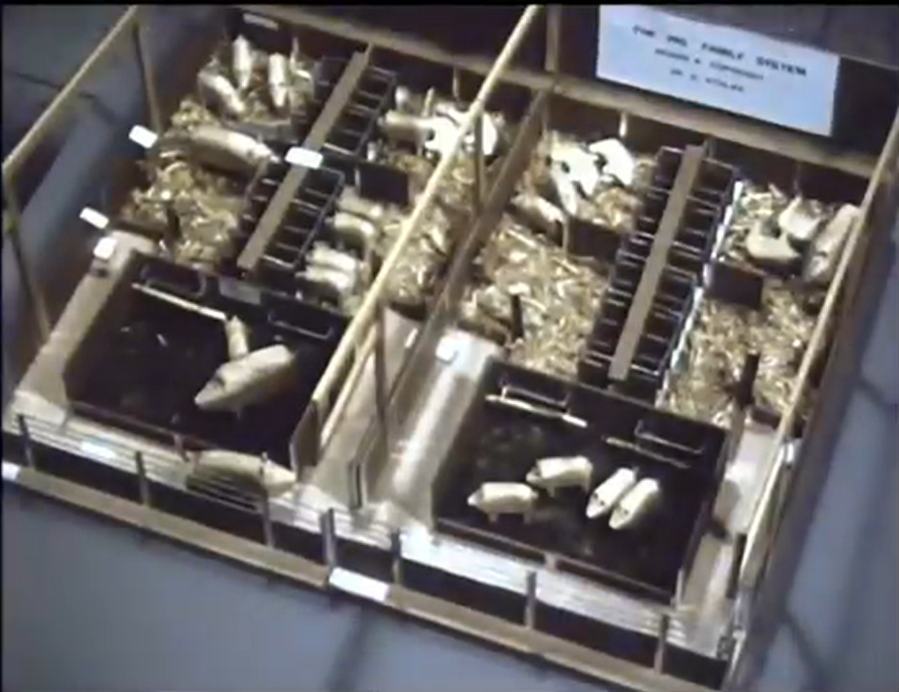
Then came a particularly exciting piece of ethology history: the Edinburgh Pig Park documentary. The Edinburgh Pig Park was a pioneering study that helped build our understanding of the natural behaviour of domestic pigs in a semi-natural environment. Its three-part documentary has been an invaluable visual record, but until now it has not been freely available to the public. During the STSM, Heng-Lun learned to use Movavi video-editing software and began editing and digitising this precious material. The documentary will soon be made publicly available through the LIFT YouTube channel. Watching the footage was also a journey back in time. What is especially striking is how much of the behaviour described in the documentary can already be interpreted today in terms of positive or negative affective states in pigs. Decades later, these observations remain remarkably relevant, and the visual record makes this study even more powerful. The work is therefore not simply about making an old documentary available. It is about bringing an important piece of animal behavioural research back into the conversation.
When words cross languages
The fourth major activity focused on something deceptively difficult: translating the term positive animal welfare, together with its short definition, into 21 languages. The work builds on an online survey circulated last year and five recent online focus groups involving Mandarin, Italian, Spanish, Portuguese, and German participants. The results are now being brought together in an ongoing manuscript. Some concepts proved particularly challenging to translate. Words such as flourishing, positive mental states, competence, and resilience may seem “straightforward” in English, but their meanings do not always travel neatly from one language to another. Exploring these differences has offered valuable insight into how people understand positive animal welfare across linguistic and cultural contexts.
More than a week in front of a computer
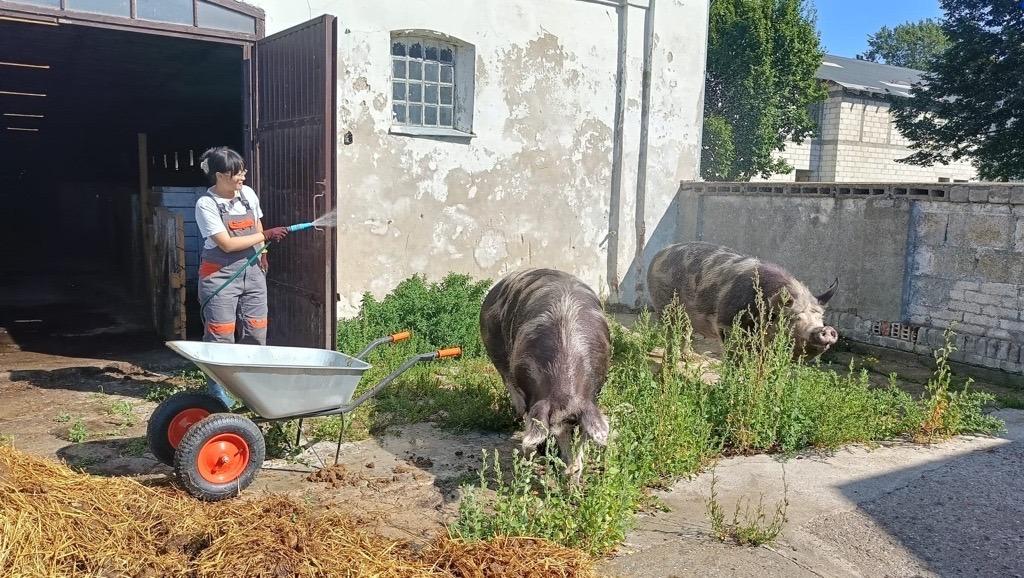
By the end of the week, many planned activities had moved significantly forward, but the STSM was more than about websites, books, videos, and manuscripts. Heng-Lun and Irene also found time to brainstorm future scientific collaborations and exchange ideas about where their work could go next. The most important lesson Heng-Lun took home, however, was a much simpler one: never forget the animals. As researchers, we often spend an enormous amount of time in front of computers, writing, analysing, editing, answering emails, and preparing the next publication. It is easy to become absorbed in the digital side of science and lose sight of the animals at the centre of our work. Irene’s daily dose at the pig unit offered a powerful reminder of why direct observation matters. As gained from the videos from the Edinburgh Pig Park, Prof. David Wood-Gush, Alex Stolba, and the other respected ethologists involved in this pioneering study spent time watching pigs in their environment, paying attention to their behaviour and, most importantly, learning from what the animals themselves were telling us. That may be one of the most valuable lessons to carry forward from a week devoted to science dissemination: good science needs good communication, but it should always bring us back to the animals. And perhaps that is another image worth to be associated with LIFT, not just science being shared, but science that keeps the animals firmly at the heart of the story.