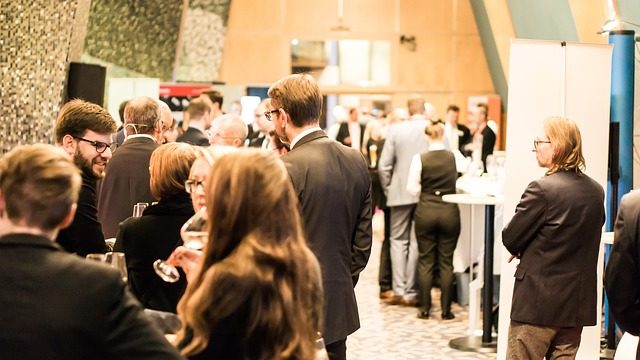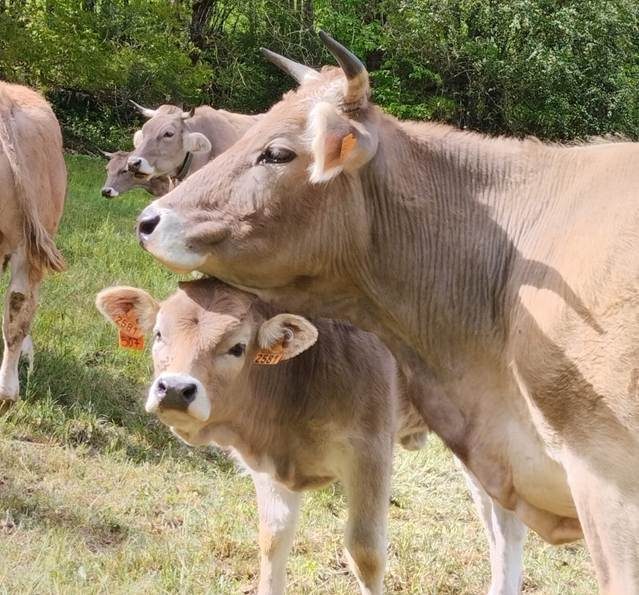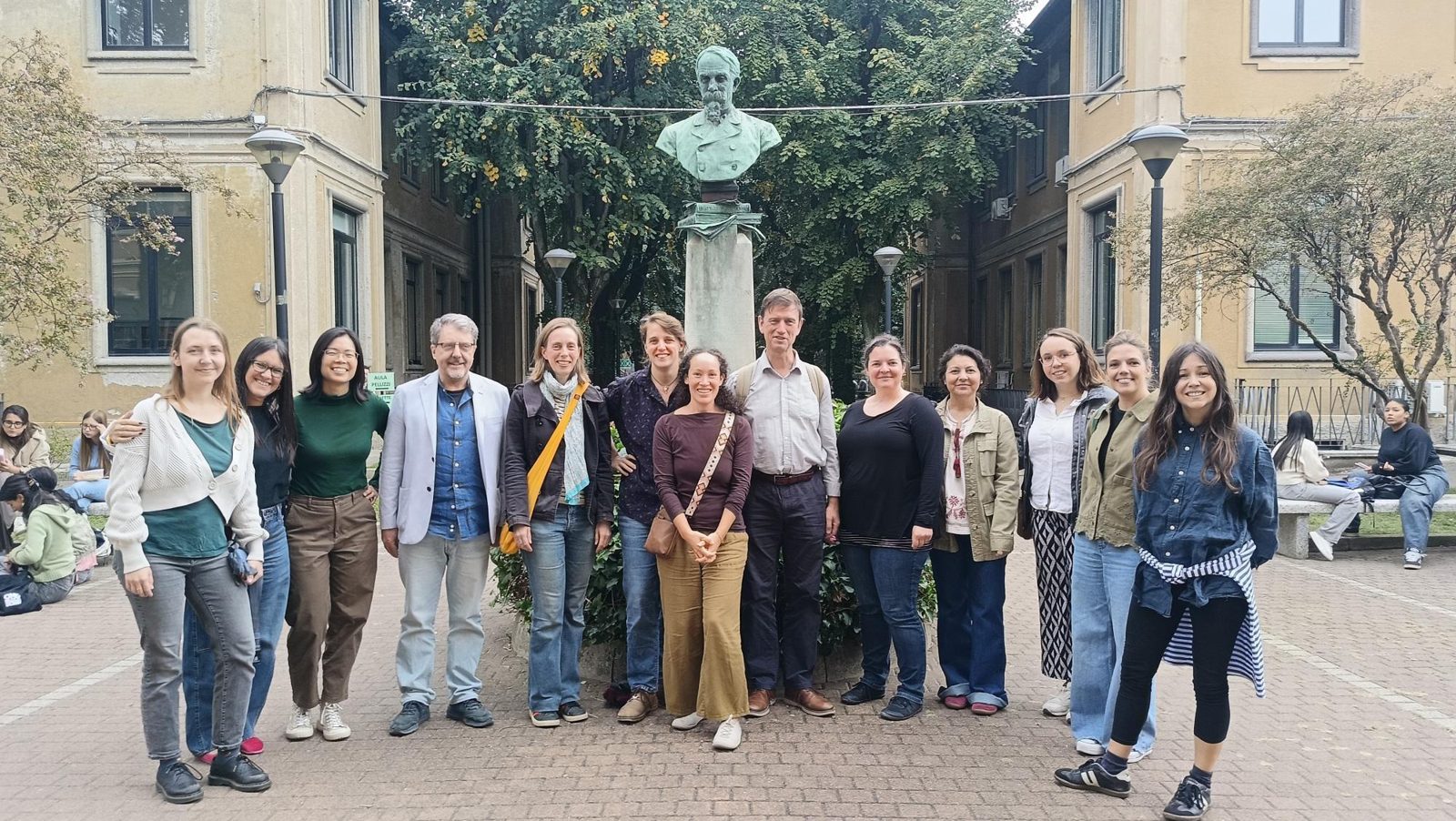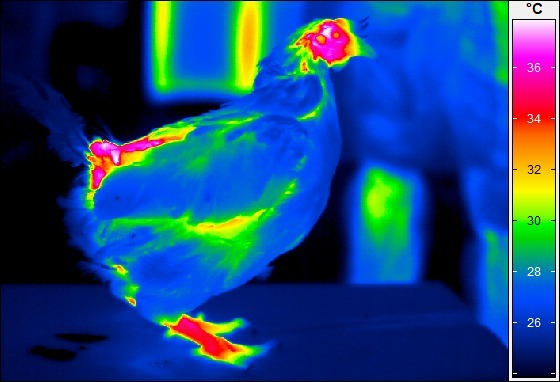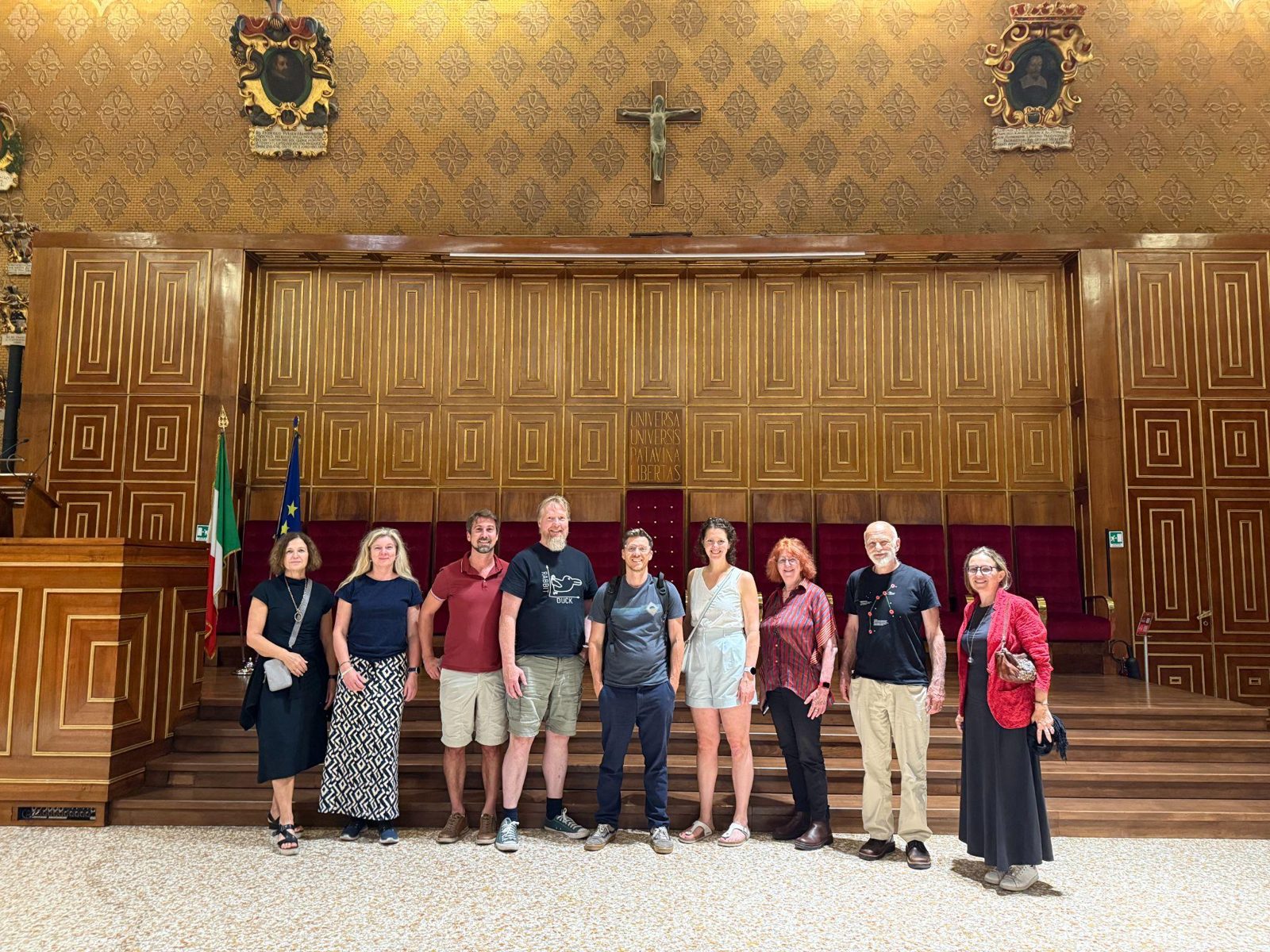
Thanks to the generous hospitality of our host, Marta Brscic, a subset of subWG 1.8 members gathered at the University of Padua in Italy on 28-29 September 2026 for an intensive manuscript-writing meeting focused on the concept of flourishing in animals.
Building on work initiated over the summer, during which members drafted sections covering a range of topics related to flourishing, the meeting aimed to refine the manuscript’s overarching objectives, discuss key conceptual questions, identify areas of overlap between sections, and agree on a clear path forward. Bringing contributors together in person provided an excellent opportunity to delve into complex theoretical issues, consider different perspectives, and strengthen the coherence of the manuscript.
Throughout the two-day meeting, Liesbeth Bolhuis, Marta Brscic, Jes Harfeld, Linda Keeling, Ruth Newberry, Jean-Loup Rault, Marek Špinka, Alex Taylor, and Laura Whalin engaged in fruitful discussions about the meaning of flourishing and potential, and whether, and how, flourishing might be measured. These discussions helped clarify the paper’s central aims and resulted in the reorganization of the manuscript. With a shared vision established, the group will continue developing the manuscript over the coming weeks.
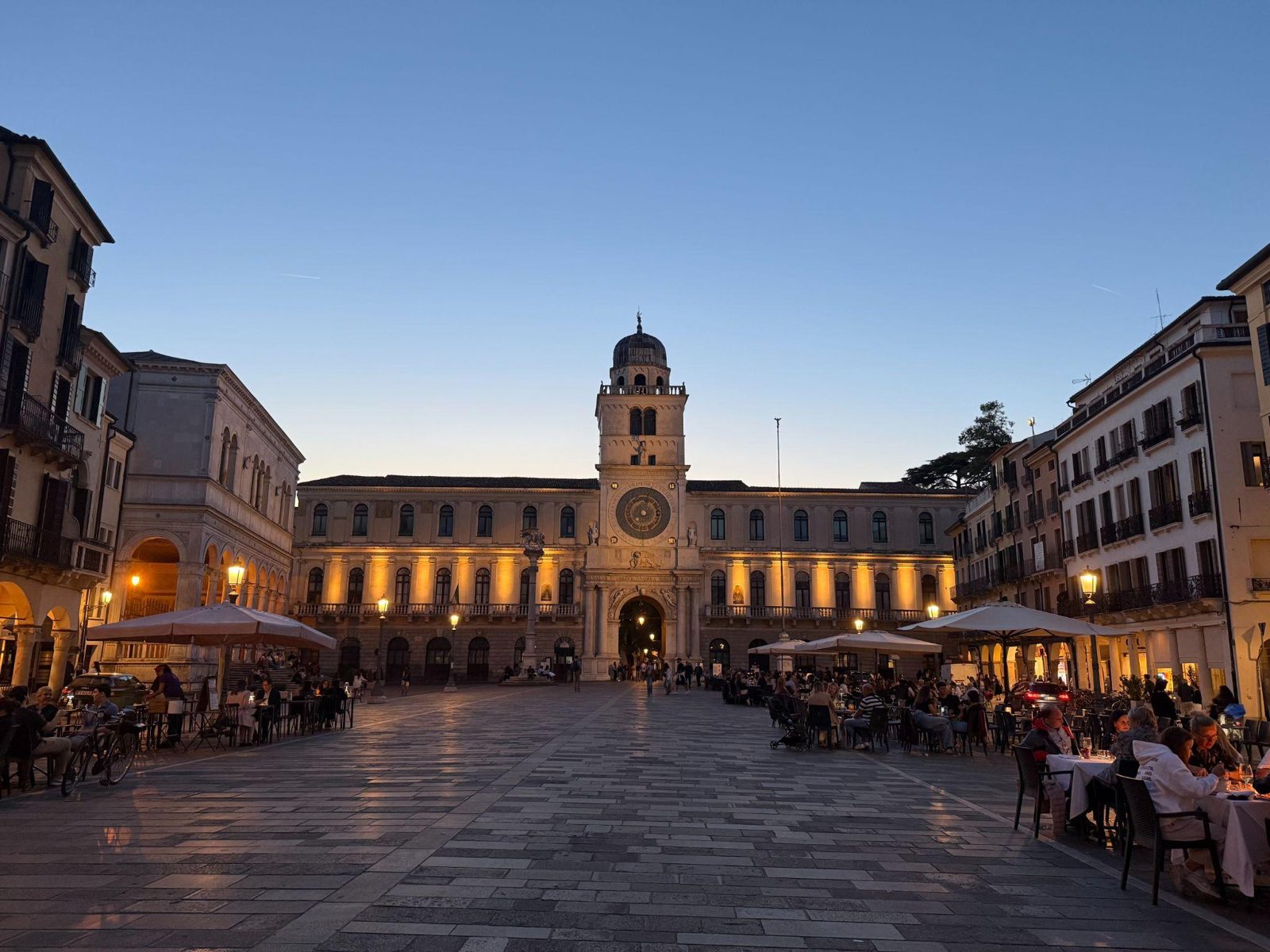
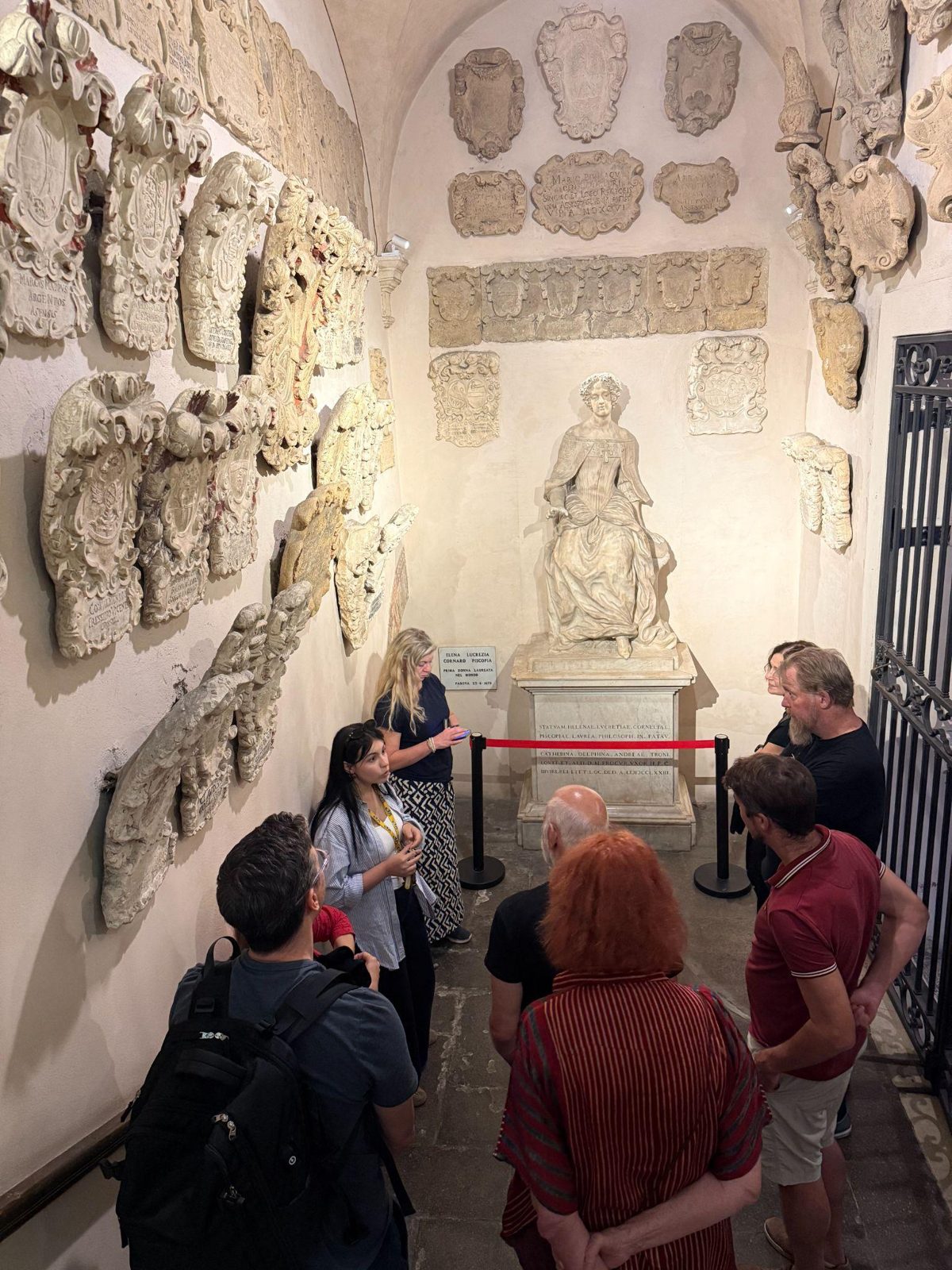
Beyond the manuscript discussions, participants had the opportunity to explore the rich heritage of Padua. The group toured the historic Palazzo del Bo, including the world’s first permanent anatomical theatre. The University of Padua was once where Galileo Galilei taught and is also renowned as the institution where Elena Lucrezia Cornaro Piscopia, the first woman to receive a PhD, completed her studies. Visiting a university with such a scholarly legacy provided an inspiring backdrop for discussions about the future of positive animal welfare science.
The Padua meeting was an important step forward in the development of the flourishing manuscript, enabling the group to think through difficult concepts and establish momentum for the next phase of writing.
Written by Laura Whalin