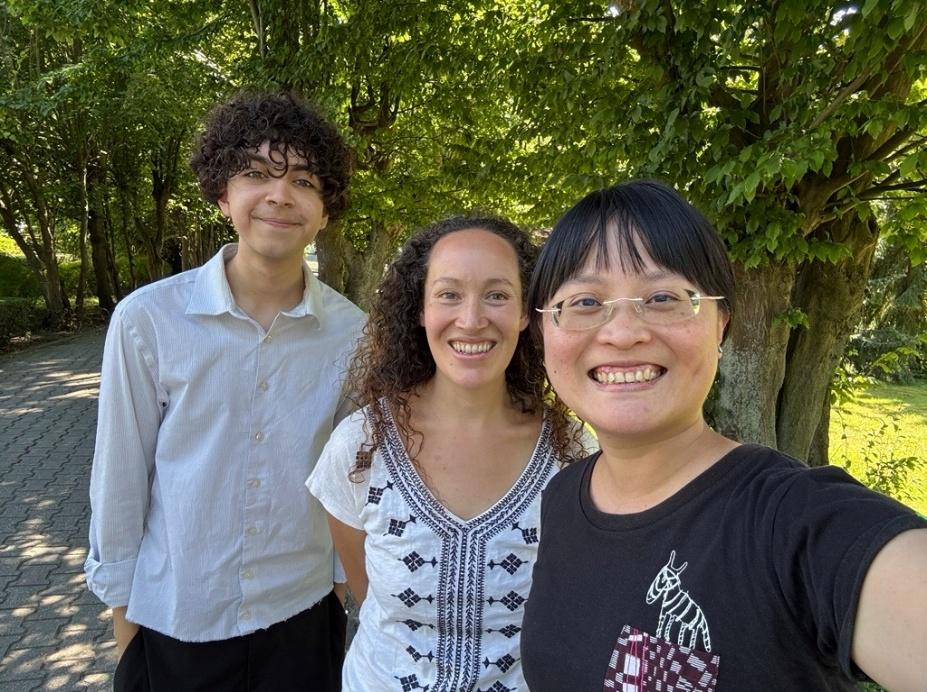
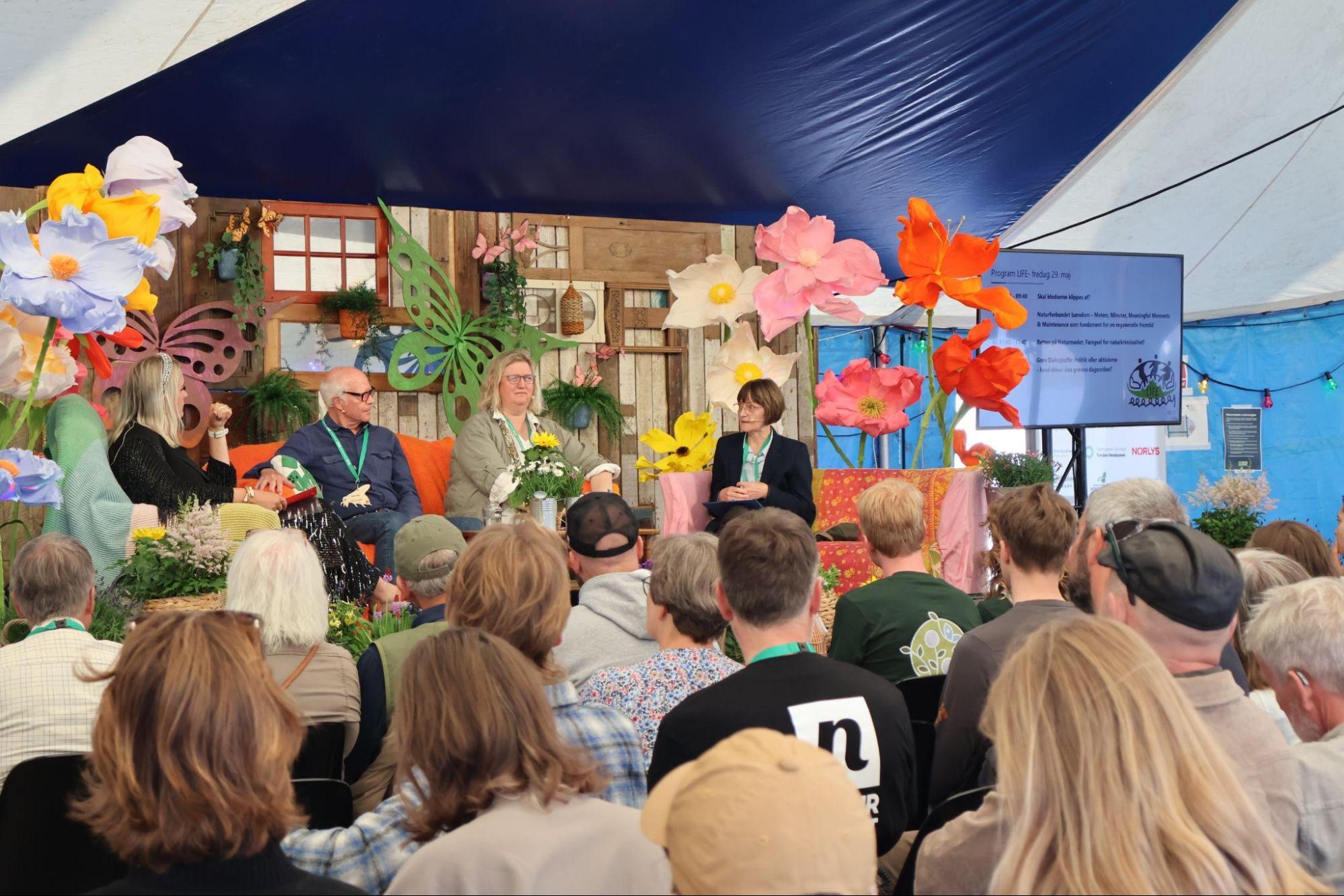
LIFT’s chair, Margit, participated in a thought-provoking debate at Denmark’s annual Nature Meeting (Naturmødet, LinkedIn post from Aarhus University) in June 2026, in Hirtshals, one of the country’s largest and most influential events dedicated to nature, biodiversity, and environmental management.
The debate focused on an important question in nature conservation: How can we best ensure positive animal welfare for cattle and horses that graze year-round in Danish nature parks? Specifically, the debate explored whether these animals should be managed as heterogeneous, reproducing herds, or as groups of non-reproducing animals, such as steers.
During the debate, Margit argued in favor of maintaining heterogeneous, reproducing herds. This approach better reflects the animals’ natural social structures and provides greater opportunities to promote Positive Animal Welfare, allowing animals to express a broader range of natural behaviors while contributing to effective nature management.
About Denmark’s Nature Meeting
The Nature Meeting is Denmark’s annual national gathering dedicated to discussing and experiencing Nature. For three days each year, the coastal town of Hirtshals becomes the country’s hub for debate, knowledge sharing, and outdoor activities focused on biodiversity, conservation, and nature management.
Open to everyone, the event provides a platform where researchers, policymakers, organizations, land managers, media, foundations, and members of the public can exchange ideas and engage in meaningful discussions about the future of nature.
This year’s meeting attracted more than 30,000 visitors, featured over 600 activities, and hosted more than 80 exhibition stands. The event created a vibrant atmosphere filled with dialogue, learning, and discovery, bringing together people with diverse perspectives but a shared interest in protecting and managing nature.
Participating in this important discussion was a valuable opportunity to highlight how positive animal welfare can play a role and should be integrated into nature management. As always, the Nature Meeting demonstrated the power of open dialogue in advancing both conservation and animal welfare, leaving participants with new knowledge, fresh perspectives, and renewed inspiration.